
CALL US
363 - 6360 - 737
See our latest book on amazon
Follow Us :
363 - 6360 - 737
David Meyers, EdD, invites readers to look beyond dates and monuments and recognize the lives, losses, courage, and enduring presence behind them.
Writing at the Meeting Place of History, Humanity, and Moral Responsibility
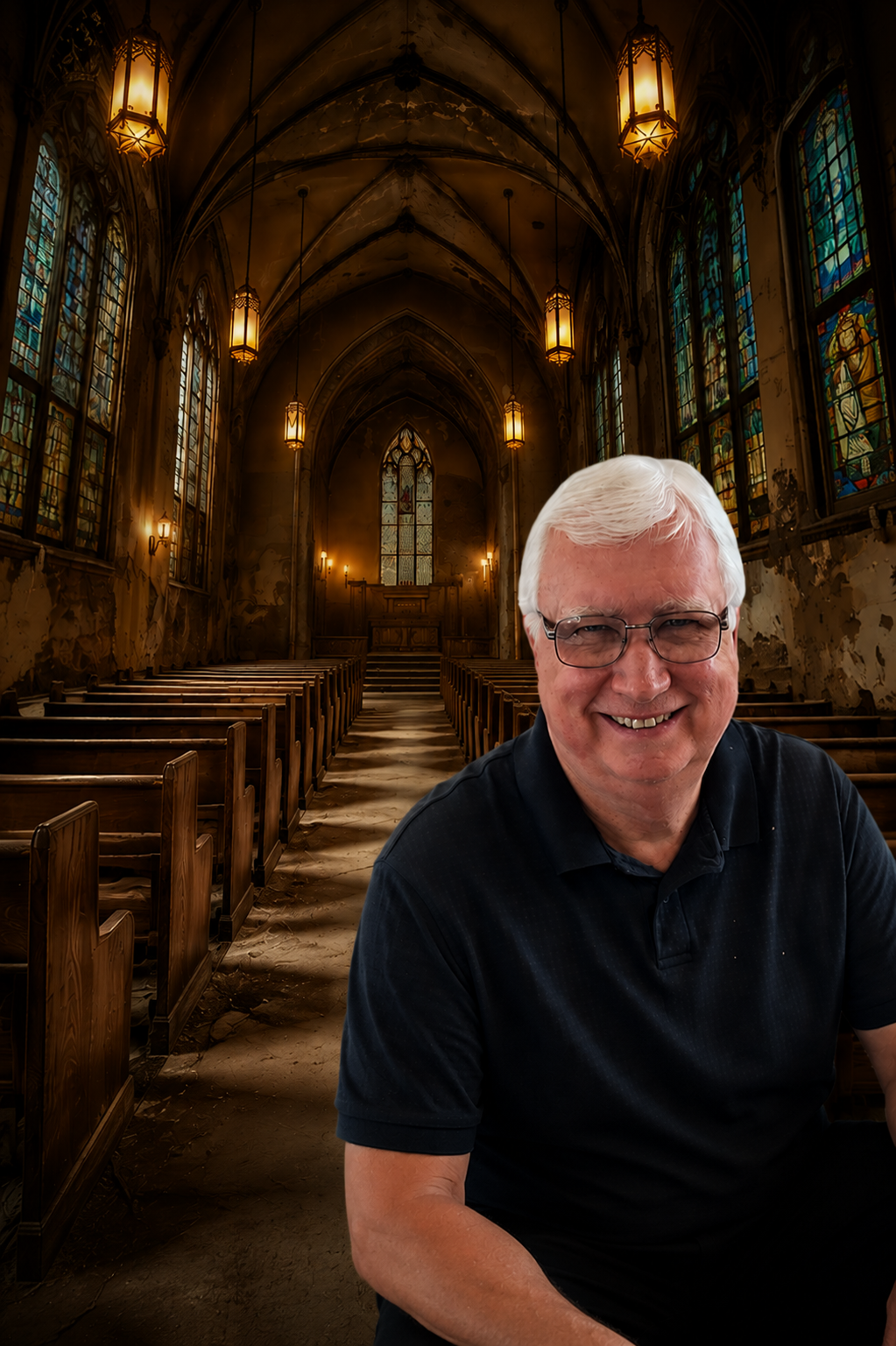
David Meyers is an author, psychologist, Episcopal priest, and lifelong Michigan resident. His work reflects a lasting interest in the forces that shape human lives, including culture, community, belief, memory, injustice, survival, and change.
His connection to the setting of We Are Not Dead is personal and longstanding. He has lived near the places where much of the book’s history unfolded, and his family has maintained a camp near Native communities in Oceana County. This closeness to the land gave him opportunities to explore historic locations and consider the lives connected to them.
The idea for the book began with two historical markers. One stood near his home and referred to Native trading routes along Michigan’s Flat and Grand rivers. Another, found near his family’s camp, marked the site of a school built for Native people. The distance between those markers raised a question: What had happened to the communities whose presence connected these places?
That question became a long investigation.
Meyers searched through books, maps, museums, libraries, historic records, local collections, and unpublished documents. He visited former village sites, old cemeteries, ruins, fields, forests, and landmarks linked to the Odawa people. His purpose was not simply to gather information. He wanted to understand the human movement behind the record.
His professional background also shaped the way he approached the work. As a psychologist, Meyers has spent much of his life considering human experience, identity, behavior, loss, adaptation, and resilience. As an Episcopal priest, he has been guided by a moral commitment to justice, peace, and the dignity of every human being. These perspectives meet in We Are Not Dead.
His writing invites people to slow down, examine familiar places more closely, and ask difficult questions. Who lived here before us? What did they experience? Which promises were kept? Which were broken? What remains when official records fail to preserve the full human story?
For David Meyers, history carries a responsibility. Learning what happened should deepen respect, sharpen conscience, and influence how people treat one another now.